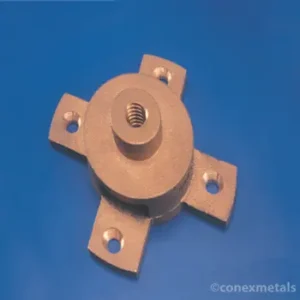
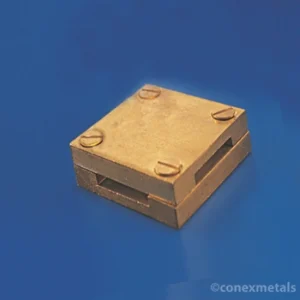
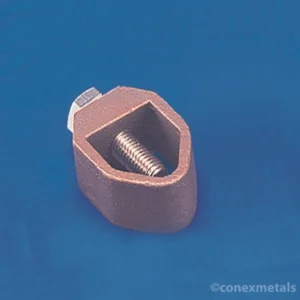
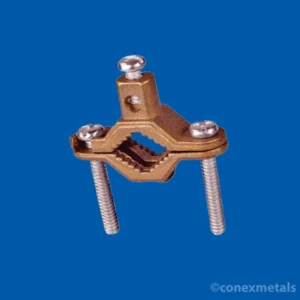
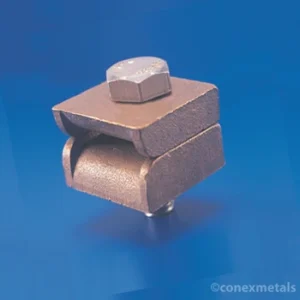
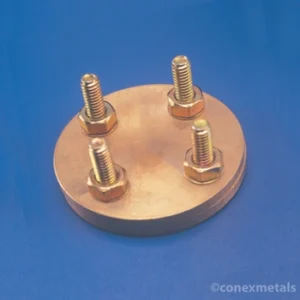
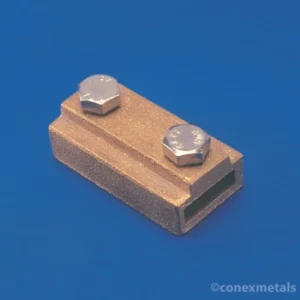
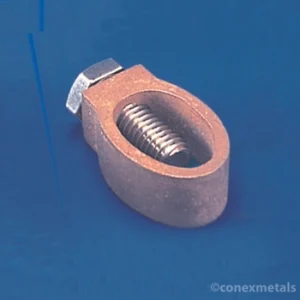
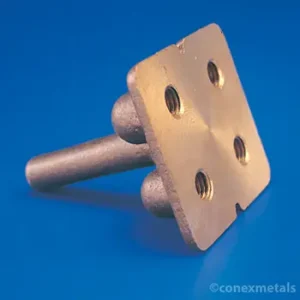
Earth rod spikes, also known as ground rod spikes or grounding rod spikes, are devices used to create a grounding electrode by driving them into the ground. They serve the same purpose as regular grounding rods, providing a low-resistance path for electrical currents to flow into the Earth in electrical grounding systems. The difference lies in their design and installation method.
| Earth Rod Spikes |
|---|
| D mm | L mm | Thread Size | L1 mm | Unit weight Kg |
| 16 | 42 | M10 | 20 | 0.03 |
| 20 | 51 | M10 | 20 | 0.06 |
| 25 | 60 | M12 | 25 | 0.1 |

Key features of earth rod spikes include:
- Design: Earth rod spikes typically have a pointed end or spike-like shape that facilitates easier penetration into the ground compared to traditional grounding rods.
- Material: Like regular grounding rods, earth rod spikes are commonly made of Copper or galvanized Steel to ensure good electrical conductivity and resistance to corrosion.
- Length: Earth rod spikes come in various lengths, depending on the specific application and soil conditions. Common lengths range from a few feet to several feet.
- Installation: Earth rod spikes are driven into the ground using a sledgehammer or other suitable tools. The pointed end makes it easier to penetrate different types of soils, including hard or rocky terrain.
- Grounding Wire: Once the earth rod spike is properly installed in the ground, a grounding wire is attached to it to establish the electrical connection between the equipment or electrical system and the Earth.
- Grounding Electrode System: In larger installations or where multiple grounding points are required, several earth rod spikes may be installed as part of a grounding electrode system, creating an interconnected network for effective grounding.
Earth rod spikes are commonly used in various electrical applications, including residential, commercial, and industrial settings, where driving a rod into the ground using traditional methods may be challenging or impractical. They provide a reliable grounding solution, ensuring electrical safety by diverting fault currents to the Earth and preventing electrical hazards.


 Earth rod spikes, also known as ground rod spikes or grounding rod spikes, are devices used to create a grounding electrode by driving them into the ground. They serve the same purpose as regular grounding rods, providing a low-resistance path for electrical currents to flow into the Earth in electrical grounding systems. The difference lies in their design and installation method.