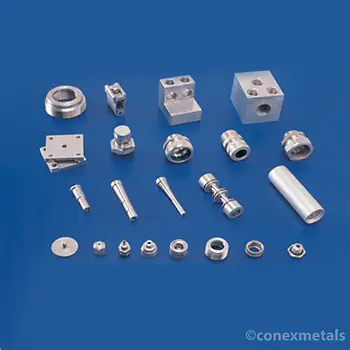
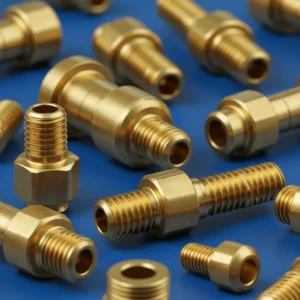
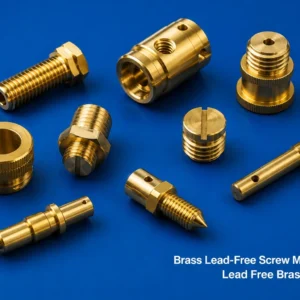
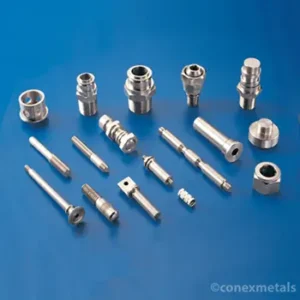
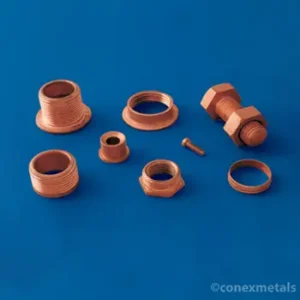
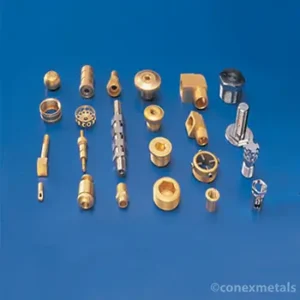
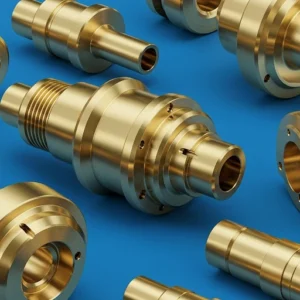
Las piezas mecanizadas de aluminio son componentes fabricados con este material mediante procesos de mecanizado para lograr formas, tamaños y funcionalidades específicas. El aluminio es un metal ligero muy utilizado, conocido por su excelente relación resistencia-peso, resistencia a la corrosión y versatilidad. Las piezas mecanizadas de aluminio se utilizan en diversas industrias gracias a su combinación de resistencia, durabilidad y ligereza. Aquí encontrará más información sobre las piezas mecanizadas de aluminio:
Procesos de mecanizado para piezas de aluminio:
- Torneado: Las barras o varillas de aluminio se hacen girar en un torno, y una herramienta de corte elimina material para crear piezas cilíndricas con dimensiones precisas. Se pueden añadir características externas, roscas y otros detalles.
- Fresado: Los bloques o láminas de aluminio se sujetan a una fresadora, y unas fresas rotativas eliminan material para crear formas complejas, cavidades, ranuras y perfiles intrincados.
- Perforación: Se pueden perforar agujeros de diversos diámetros y profundidades en piezas de aluminio utilizando brocas especializadas o centros de mecanizado.
- Roscado: En las piezas de aluminio se crean roscas internas mediante una herramienta de roscado, lo que permite atornillarlas a otros componentes.
- Mandrinado: Mediante el uso de herramientas de mandrinado se pueden conseguir agujeros de mayor diámetro con alta precisión y acabados lisos.
- Moleteado: Mediante herramientas de moleteado, se pueden añadir patrones texturizados a la superficie de las piezas de aluminio, mejorando así el agarre y la estética.
Ventajas de las piezas mecanizadas de aluminio:
- Ligereza: El aluminio es ligero, lo que lo hace adecuado para aplicaciones donde la reducción de peso es importante.
- Resistencia: Las aleaciones de aluminio ofrecen una buena relación resistencia-peso, lo que permite obtener componentes resistentes pero ligeros.
- Resistencia a la corrosión: El aluminio forma una capa protectora de óxido, lo que proporciona una buena resistencia a la corrosión en diversos entornos.
- Conductividad térmica: El aluminio tiene una excelente conductividad térmica, lo que lo hace útil para disipadores de calor y gestión térmica.
- Atractivo estético: El aluminio tiene una apariencia moderna que añade valor estético a los productos.
Aplicaciones de las piezas mecanizadas de aluminio:
- Aeroespacial: Componentes aeroespaciales que requieren materiales ligeros, como piezas de aeronaves y componentes estructurales.
- Automoción: Diversos componentes para automóviles, incluyendo piezas de motor, componentes del chasis y accesorios interiores.
- Electrónica: Cajas, carcasas y disipadores de calor para dispositivos electrónicos.
- Bienes de consumo: Las piezas mecanizadas de aluminio se utilizan en productos como teléfonos inteligentes, ordenadores portátiles, electrodomésticos y mucho más.
- Maquinaria industrial: Componentes para maquinaria, herramientas y equipos utilizados en la fabricación.
- Marina: Piezas para aplicaciones marinas que requieren resistencia a la corrosión y materiales ligeros.
- Arquitectónico: Componentes arquitectónicos, accesorios y elementos decorativos.
Consideraciones:
- Selección de aleaciones: Las distintas aleaciones de aluminio ofrecen propiedades variadas. Elija la aleación que mejor se adapte a los requisitos de la aplicación.
- Tolerancias: Especifique las tolerancias necesarias para un ajuste y funcionamiento precisos.
- Acabado superficial: Considere el acabado superficial deseado y si se necesitan procesos adicionales como el anodizado o el recubrimiento en polvo.
- Complejidad del diseño: Elija los procesos de mecanizado en función de la complejidad del diseño de la pieza.
Las piezas mecanizadas de aluminio se valoran por su ligereza, resistencia y resistencia a la corrosión. Al trabajar con aluminio, es importante seleccionar los procesos de mecanizado y acabados adecuados para lograr los resultados deseados.